Passive Solar Design for Off-Grid Apartments: A Comprehensive Guide
Do you dream of living in a home that's self-sufficient, energy-efficient, and minimizes its impact on the environment? Look no further than off-grid apartments designed with passive solar principles in mind. In this article, we'll delve into the world of passive solar design for off-grid apartments and explore the essential design principles, materials, and construction techniques to create a sustainable living space.
What is Passive Solar Design?
Key Principles of Passive Solar Design for Off-Grid Apartments

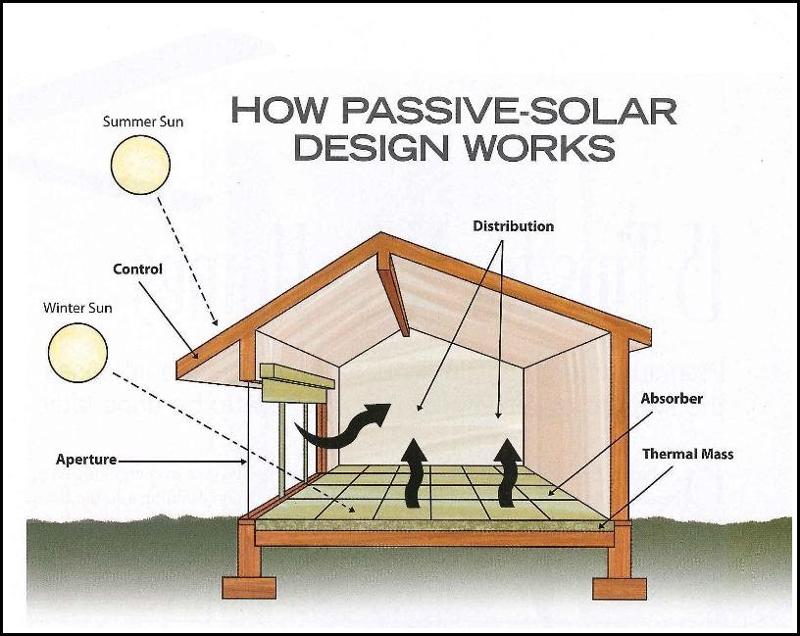
- South-facing orientation**: A well-designed passive solar home is oriented to face the south, allowing the sun's rays to penetrate the building throughout the day. This increases the amount of sunlight that enters the space and reduces the need for artificial lighting.
- Glazing ratios**: The amount and type of glazing (window area) are crucial in passive solar design. A balanced glazing ratio allows for optimal sunlight penetration while minimizing heat gain in the summer.
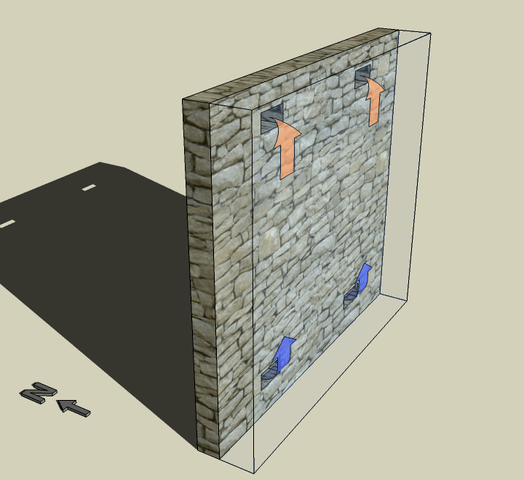
- Thermal mass**: Thermal mass refers to building materials like concrete, brick, or earth that absorb and release heat slowly. This helps regulate indoor temperatures and reduces the need for heating and cooling.
- Overhangs**: Overhangs provide shade and protection from harsh sunlight during the summer months, helping to reduce heat gain and prevent overheating.
- Natural ventilation**: Passive solar homes often incorporate natural ventilation strategies, such as cross-ventilation, to maintain a comfortable indoor climate.
Climate plays a significant role in passive solar design. Different regions have unique climate characteristics, and adapting your design to these factors will ensure optimal energy efficiency. For example:
- Cool climates**: In areas with low temperatures, homes are designed to maximize solar gain during the winter months, often with larger south-facing windows and thermal mass.
- Hot climates**: In regions with high temperatures, homes are designed to minimize solar gain during the summer months, often with larger overhangs and more shading devices.
- Desert climates**: In arid regions, homes are designed to conserve water and reduce heat gain, often with features like green roofs and desert-adapted plants.

Benefits of Passive Solar Design for Off-Grid Apartments
By integrating passive solar design principles into your off-grid apartment, you can:
- Reduce energy consumption and costs
- Minimize your carbon footprint
- Enjoy a more comfortable living space
- Save on water consumption and resource usage

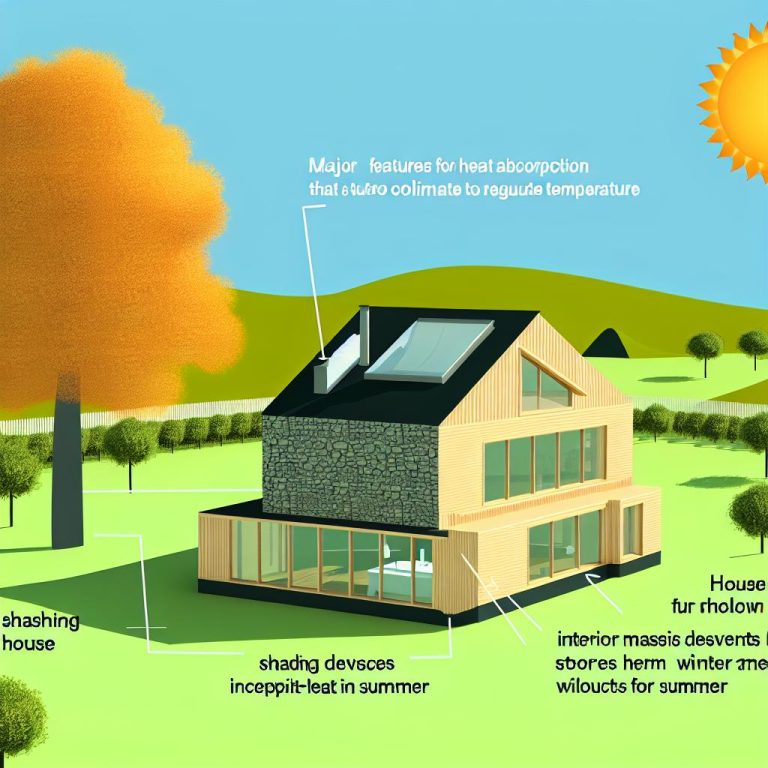
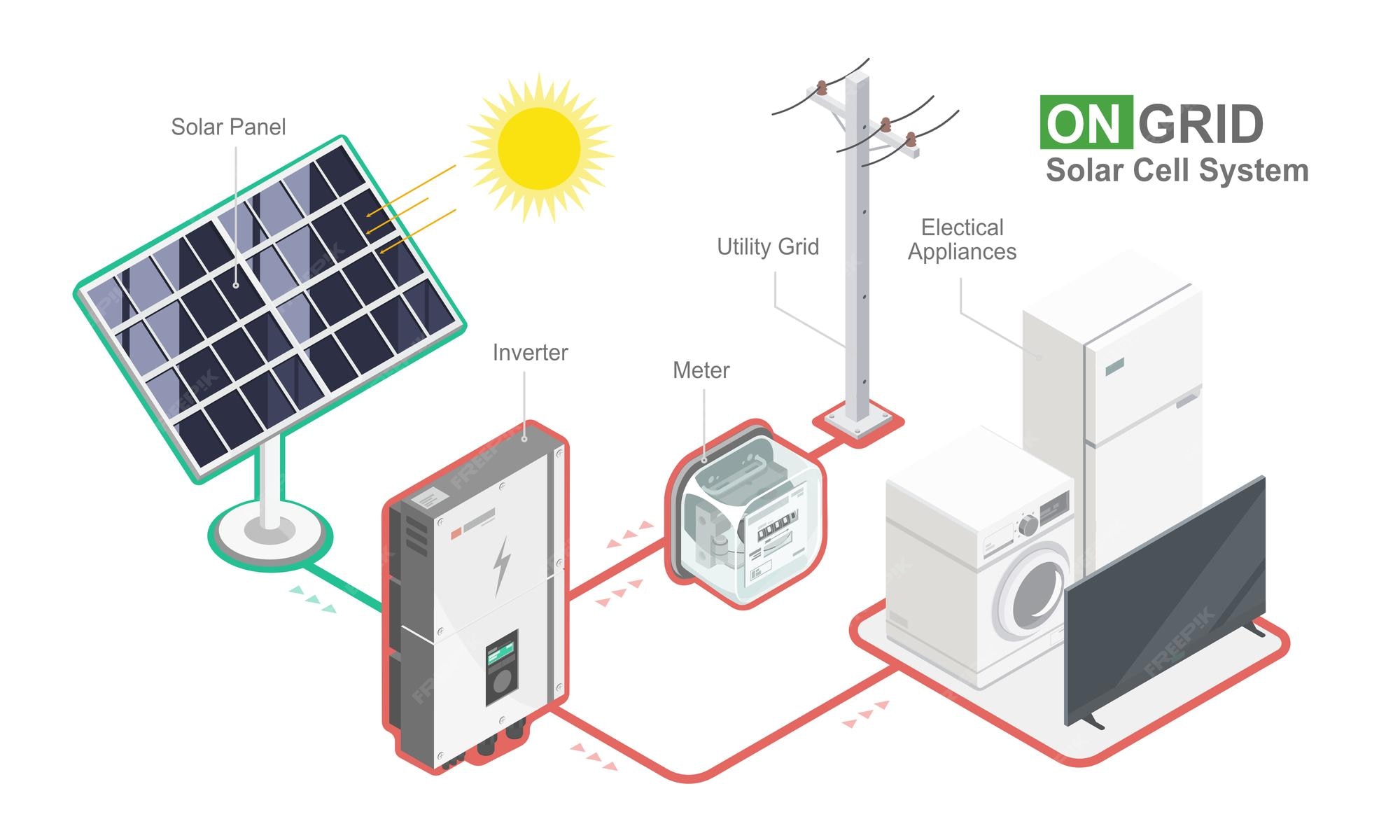
Furthermore, visual representations like the one above help us fully grasp the concept of Passive Solar Design For Off-Grid Apartments.
Top 6 Stock Passive House Plans for Off-Grid Apartments
Here are six top passive house plans that can serve as a solid foundation for your off-grid apartment design:
- Off-grid single-family home based on Passive Design Solutions' North Glen stock plan
- Earthship passive solar home
- Pangea Design Build's off-grid single-family home
- Ecofit, 780 sq. ft. passive solar design
- Off-grid cabin design with passivesolar features
- Passivehaus design with a focus on insulation and thermal mass
Conclusion
Passive solar design for off-grid apartments is a holistic approach to building design that minimizes energy consumption, reduces carbon emissions, and creates a more comfortable living space. By integrating passive solar principles into your design, you can enjoy a self-sufficient, energy-efficient home that's tailored to your climate and needs. Remember to consider the essential design principles, climate-specific adaptations, and benefits of passive solar design to create a sustainable living space that's both functional and beautiful.