Green Urban Design: The Future of Sustainable Cities
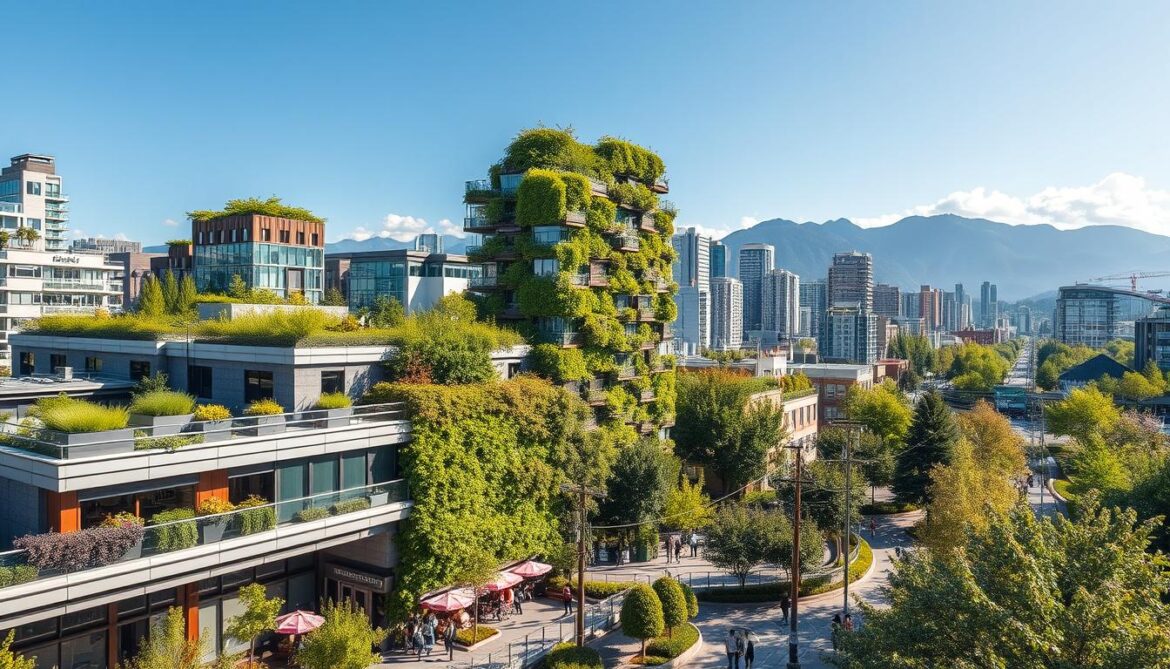
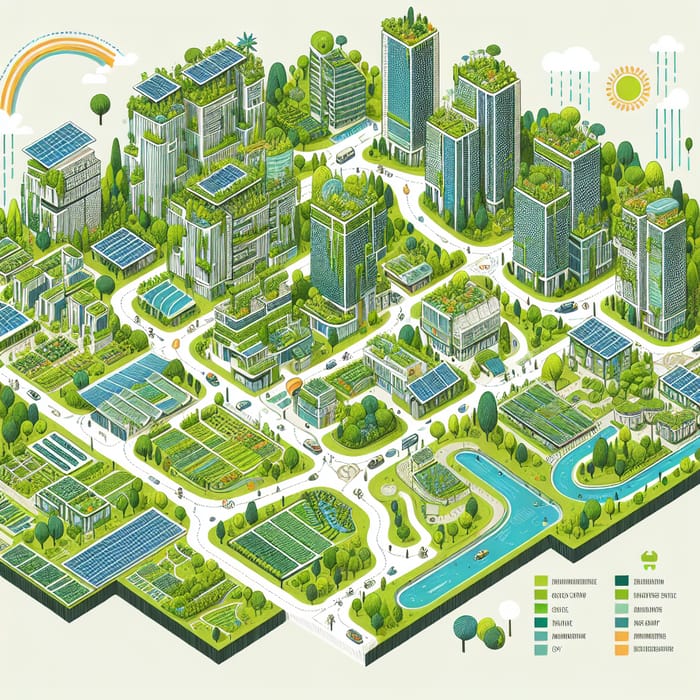
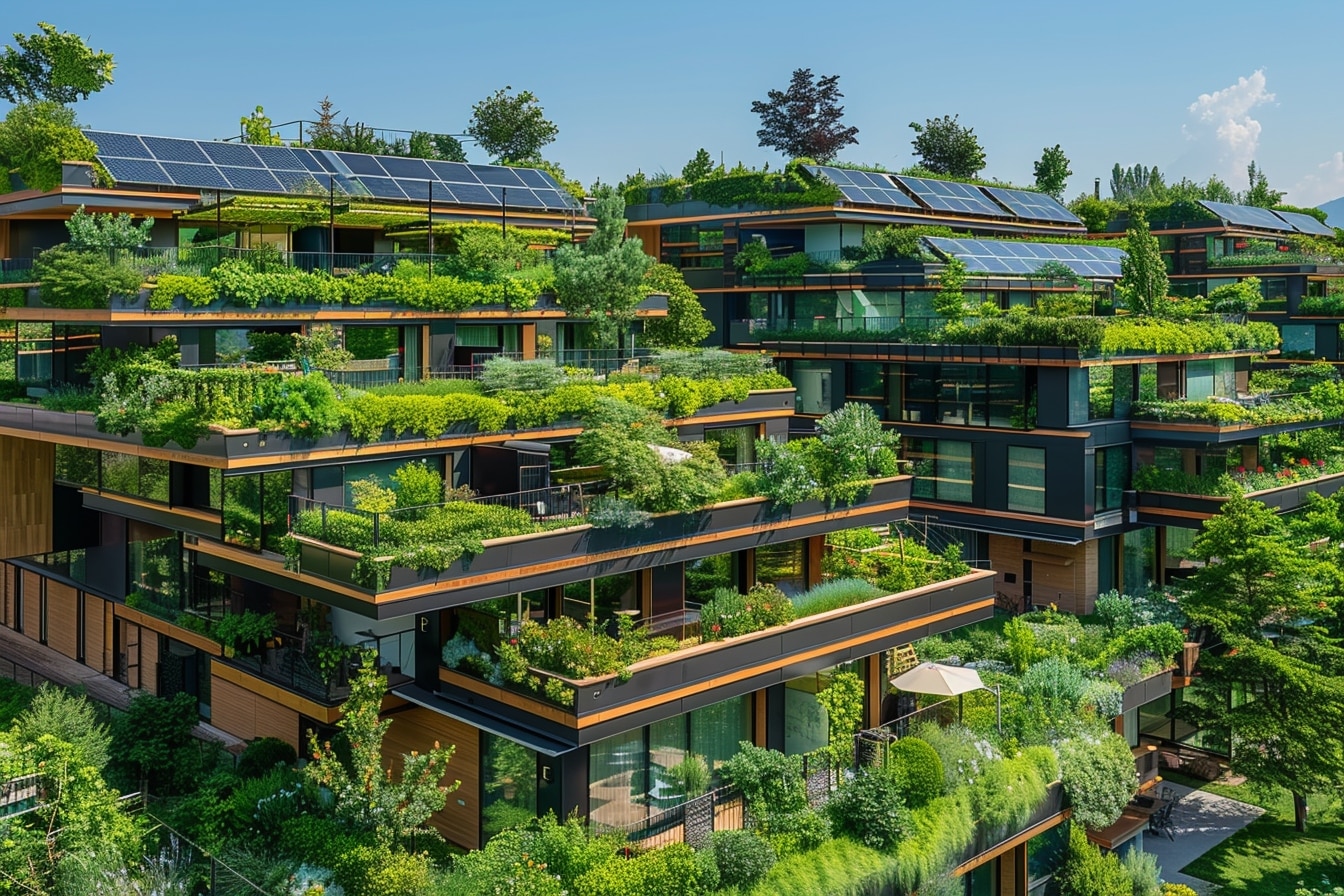
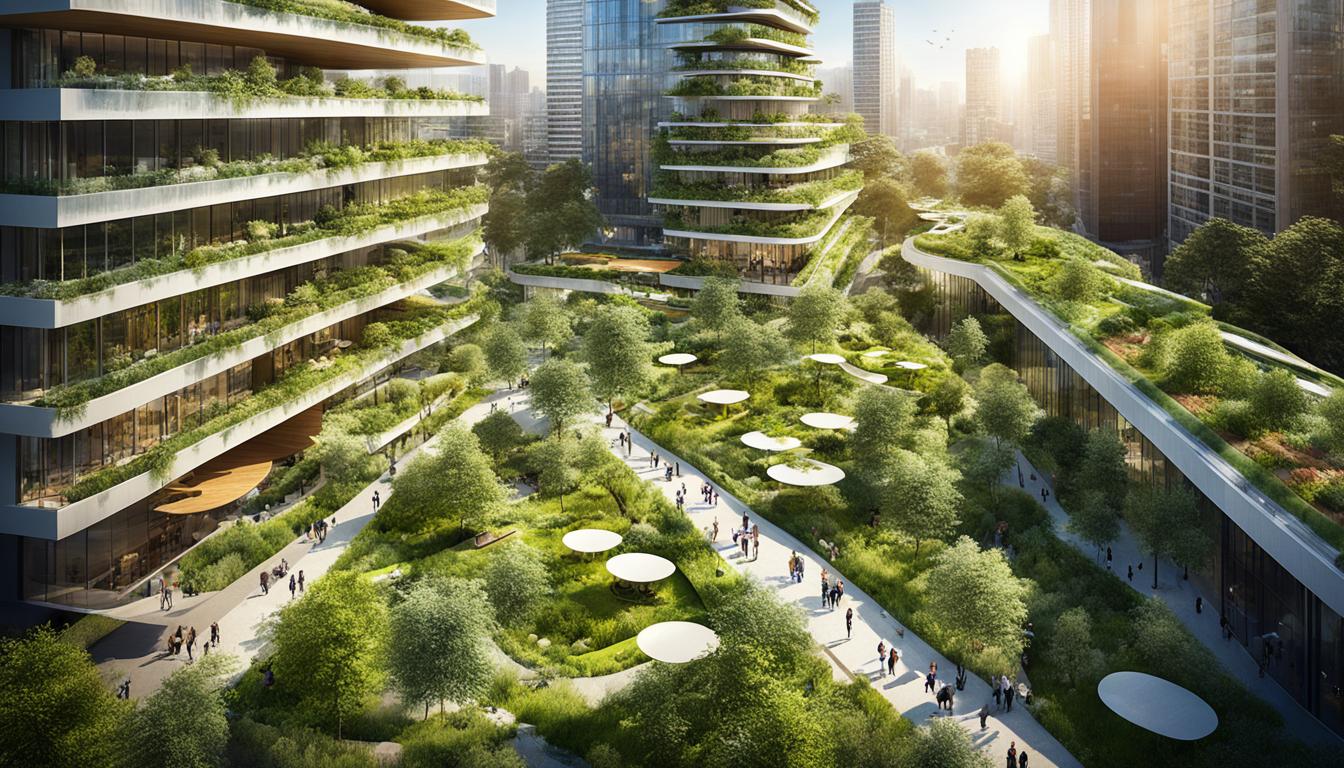
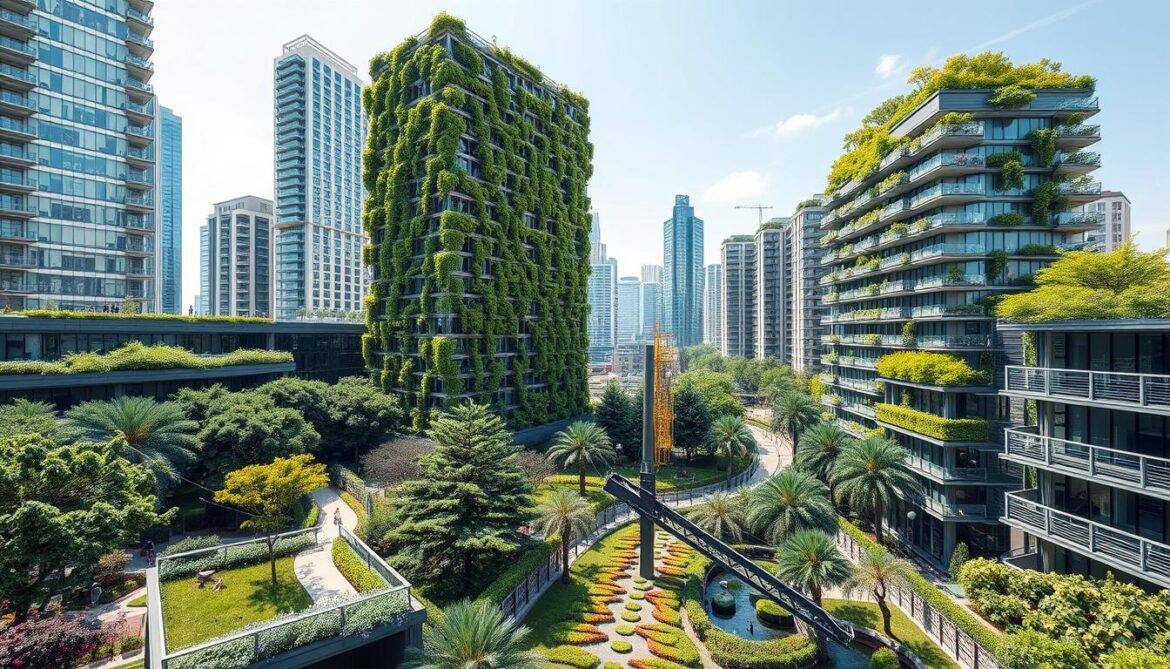
For decades, the world has faced the pressing issue of rapid urbanization and climate change, leading to a new wave of interest in green urban design. This concept involves merging eco-friendly design, energy-efficient technologies, and community-driven planning to create sustainable cities that minimize waste and emissions while promoting the creation of green spaces. Green urban design is a multifaceted approach that caters to various aspects of urban development, including infrastructure, buildings, and community spaces. The integration of green roofs, walls, and urban gardens can significantly enhance biodiversity, climate resilience, energy efficiency, and the aesthetic appeal of cities.Importance of Green Urban Spaces
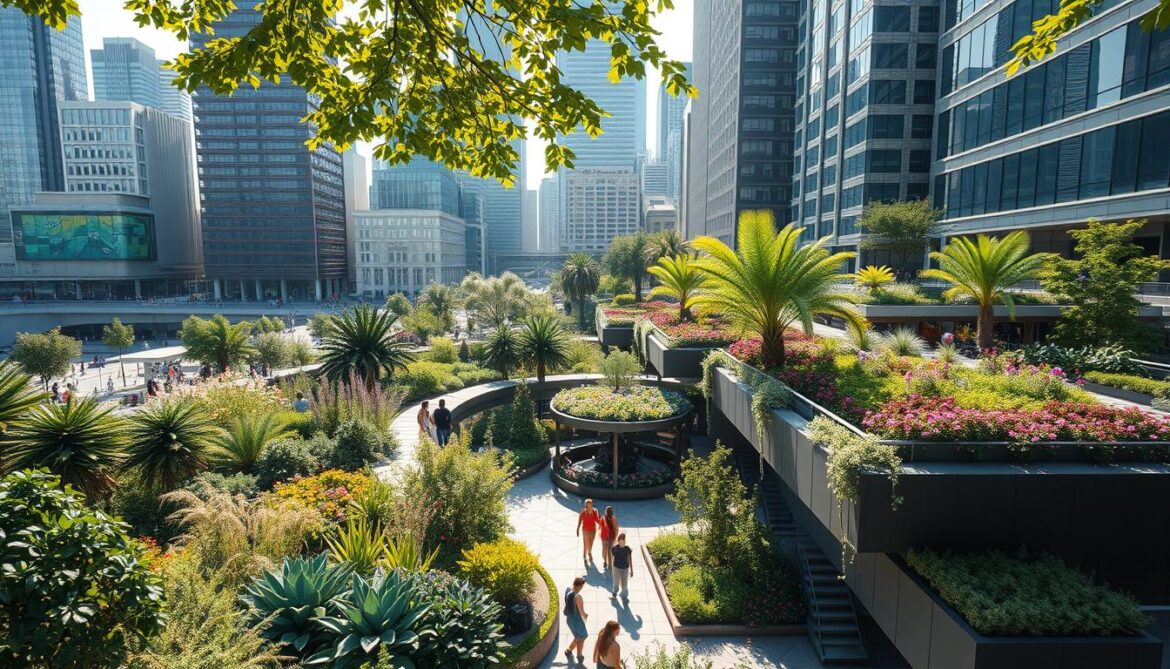
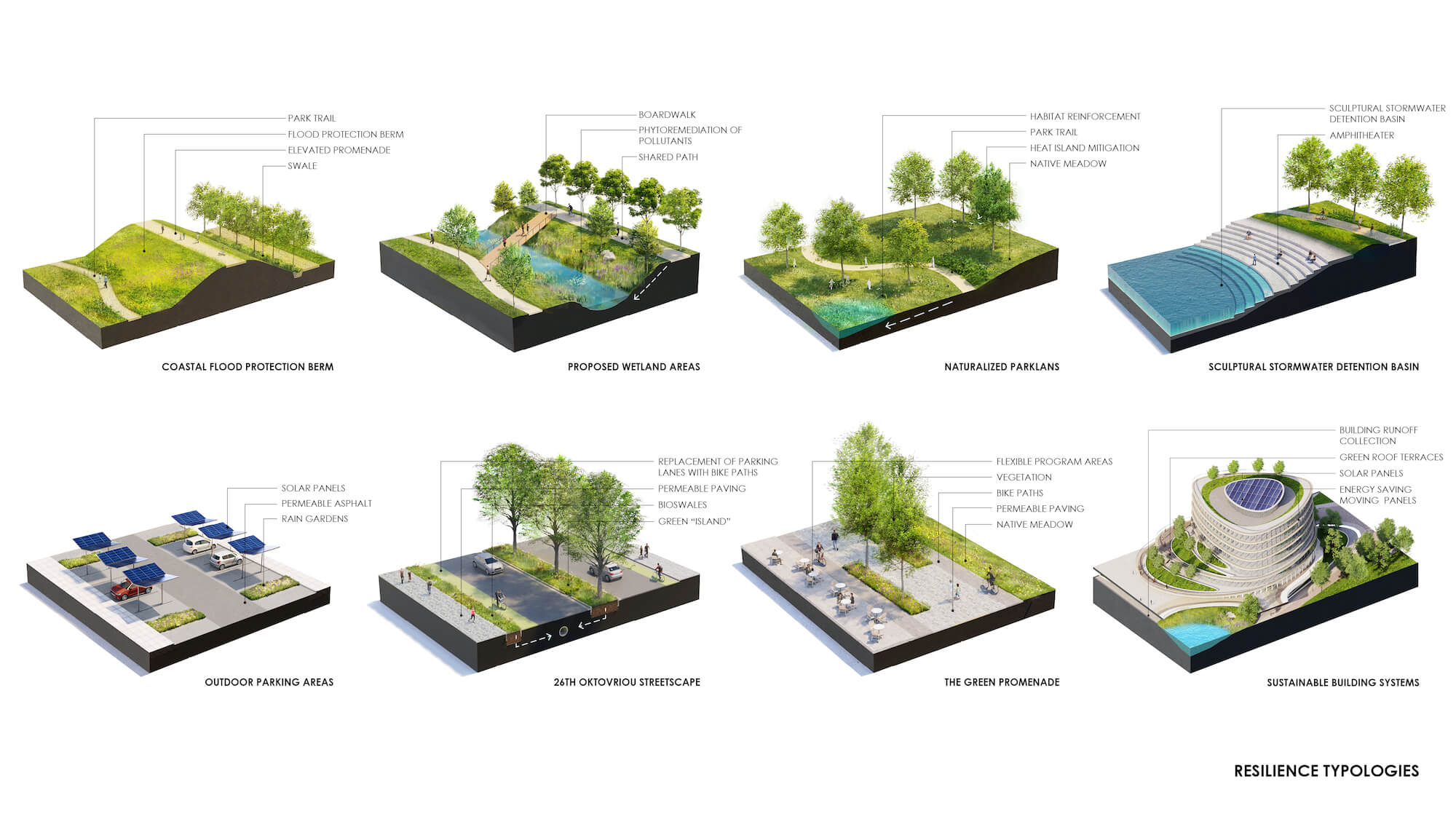
Research has shown that green urban spaces play a crucial role in enhancing climate adaptation and tackling the risks associated with climate change. By integrating vegetation and other natural elements into urban planning, cities can mitigate the urban heat island effect, improve air quality, and foster social cohesion.Key Elements of Green Urban Design

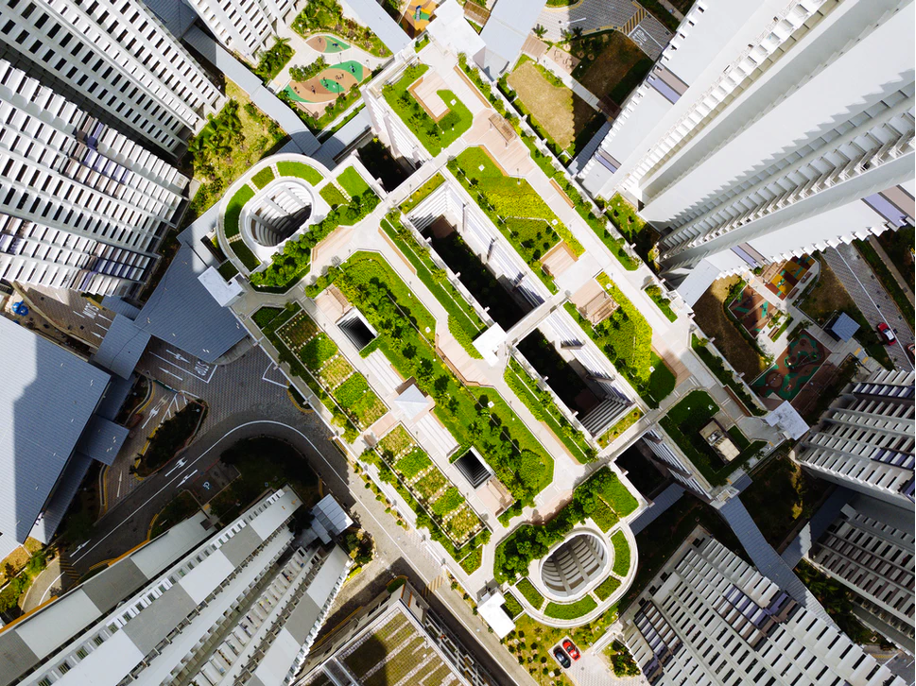
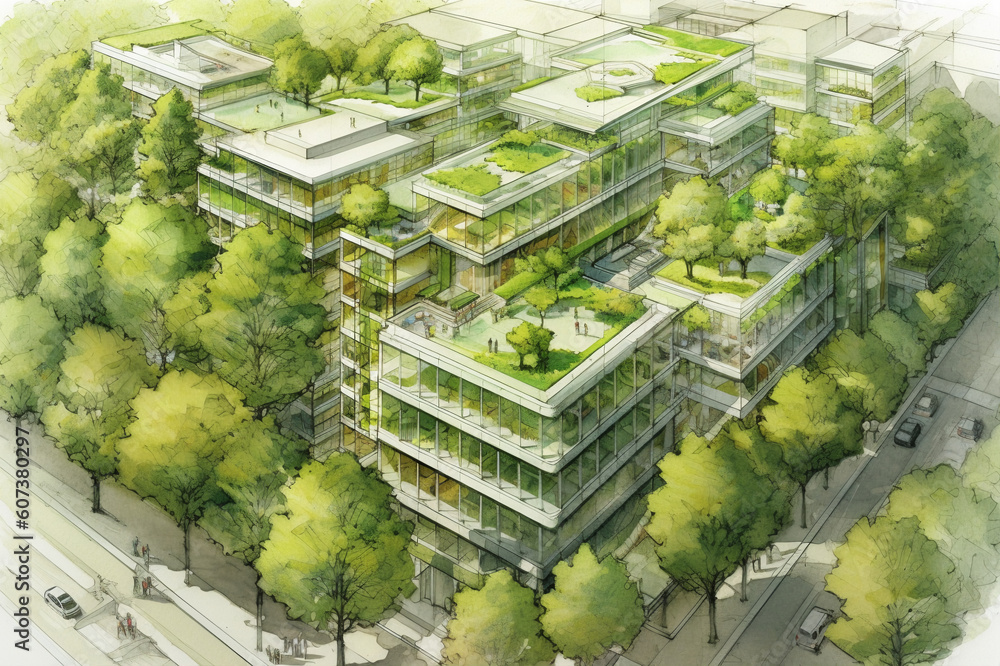
- Green roofs and walls, which increase biodiversity and energy efficiency
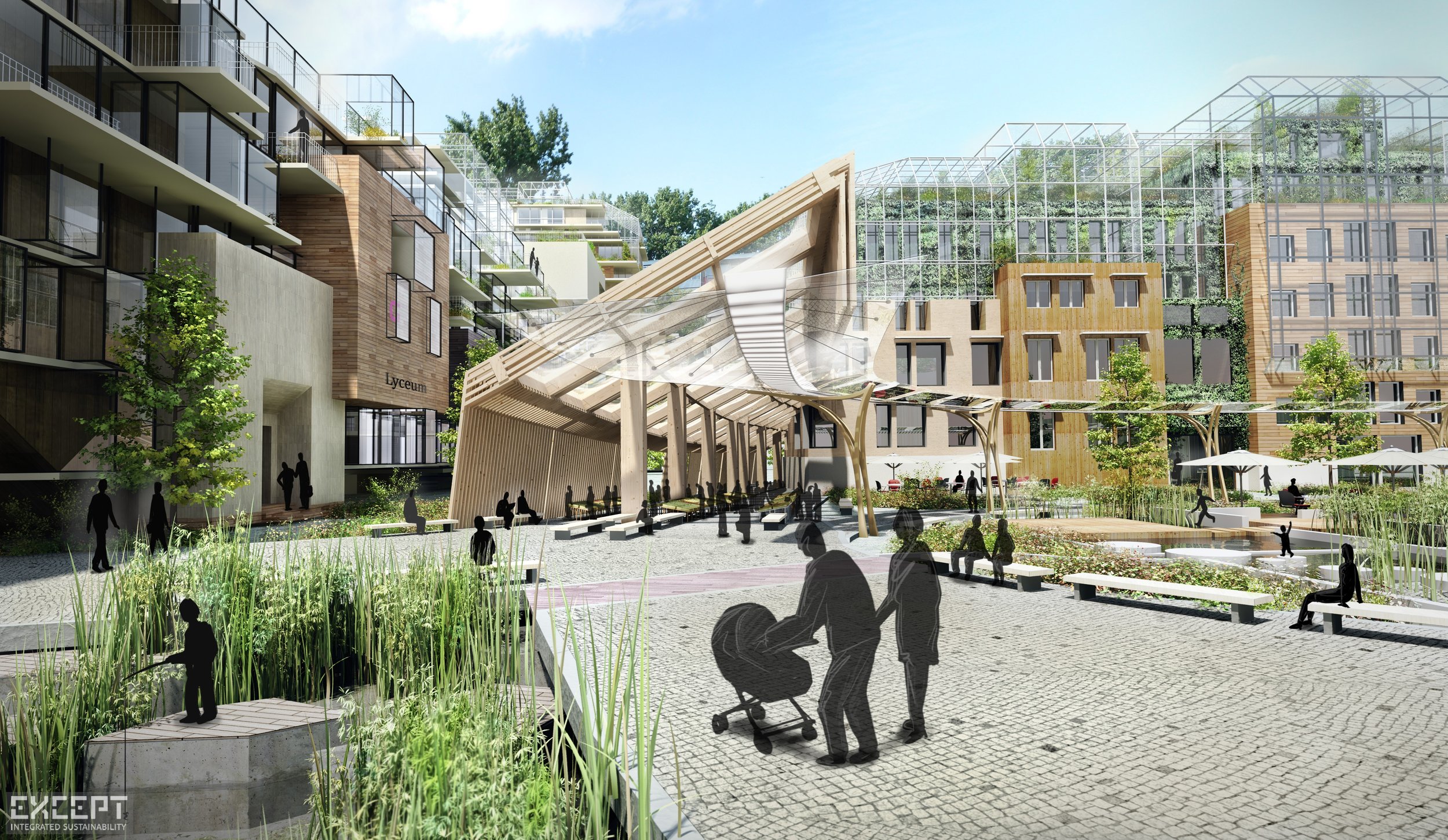
- Urban gardens and parks, which provide public spaces for recreation and social interaction
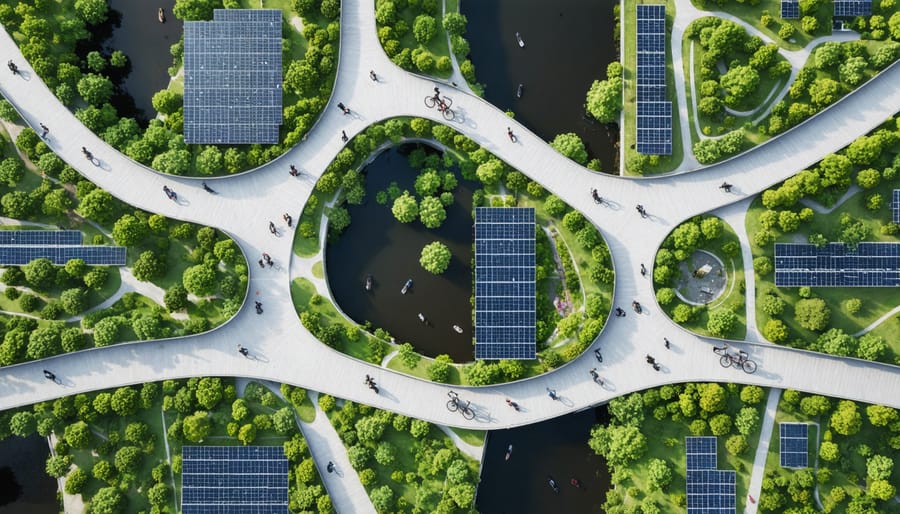
- Green corridors, which connect fragmented habitats and promote eco-friendly transportation
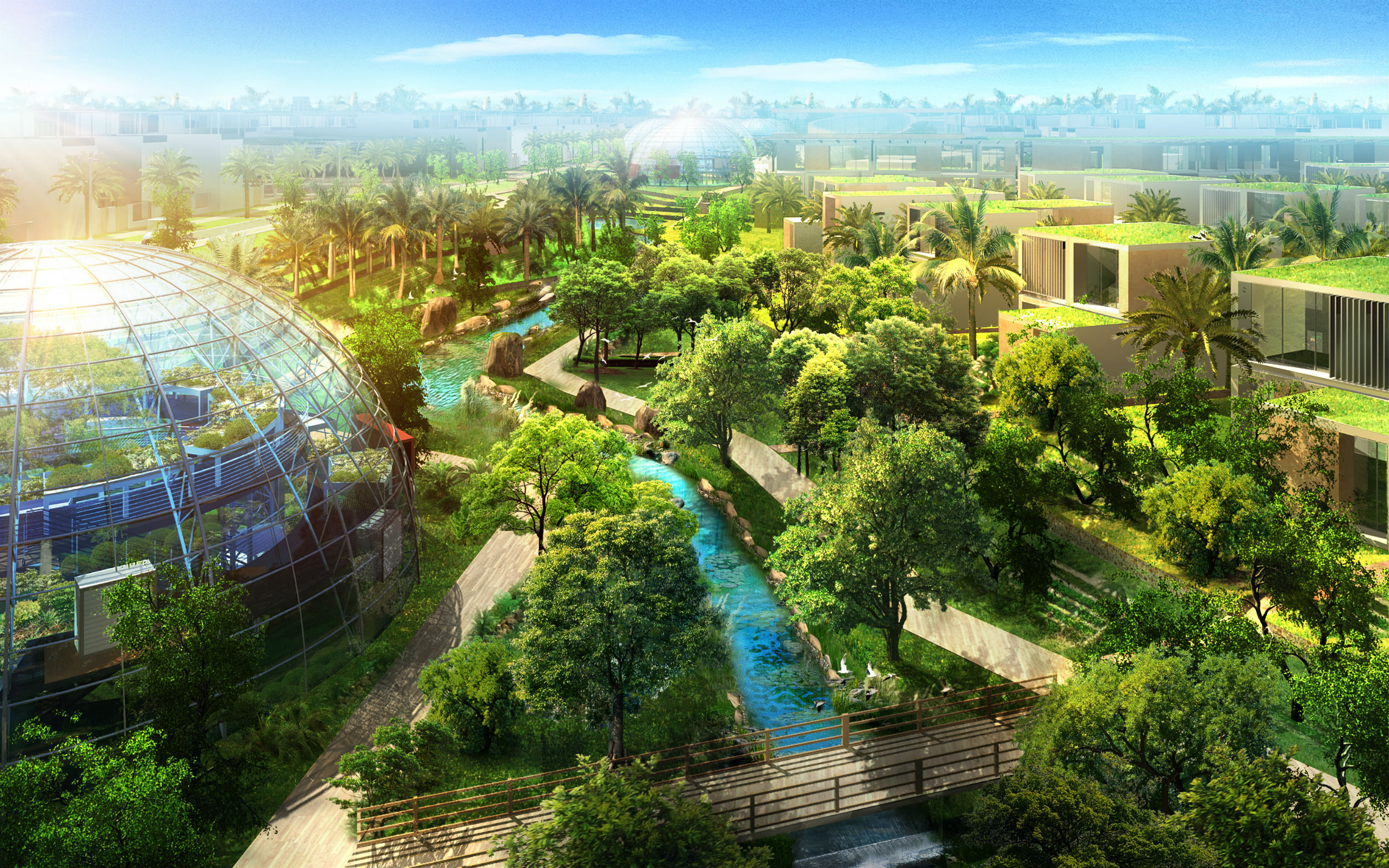
- Wetlands and other nature-based solutions, which help manage stormwater runoff and mitigate the effects of sea-level rise
Benefits of Green Urban Design