Green Building Certifications: A Comprehensive Guide
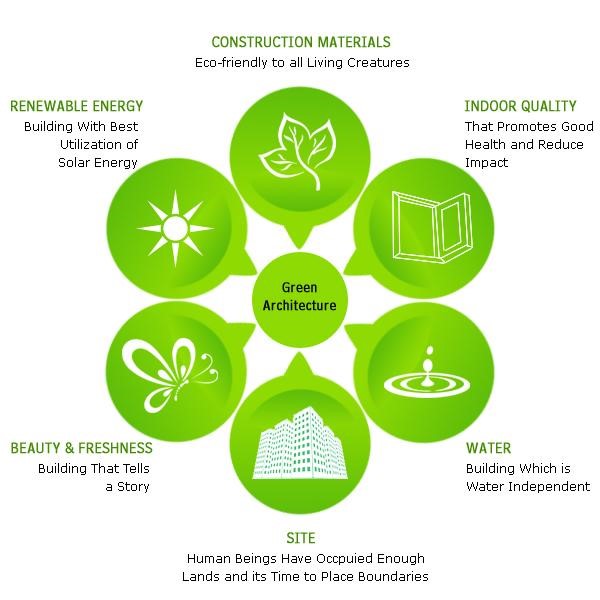
What Are Green Building Certifications?
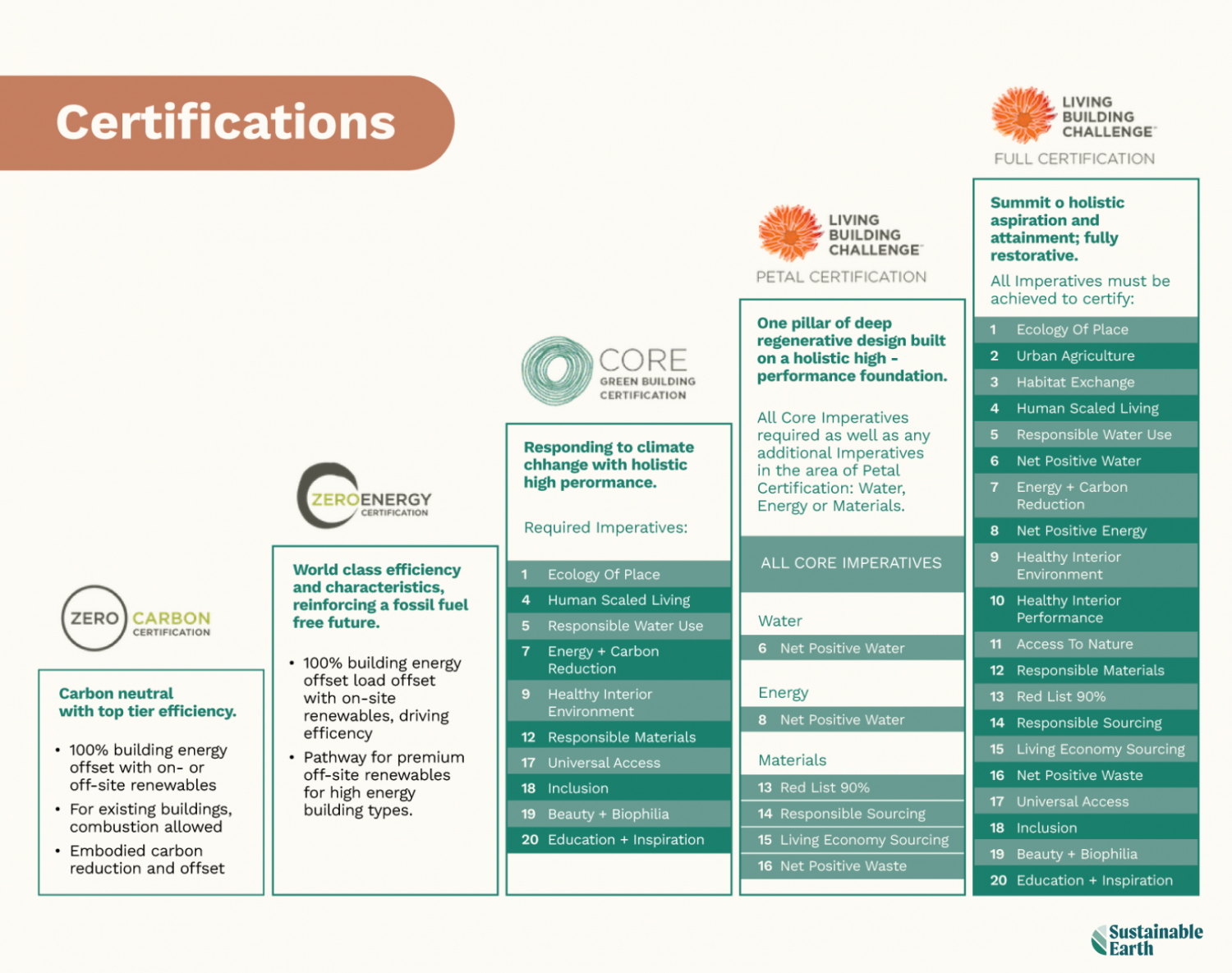
Types of Green Building Certifications
-
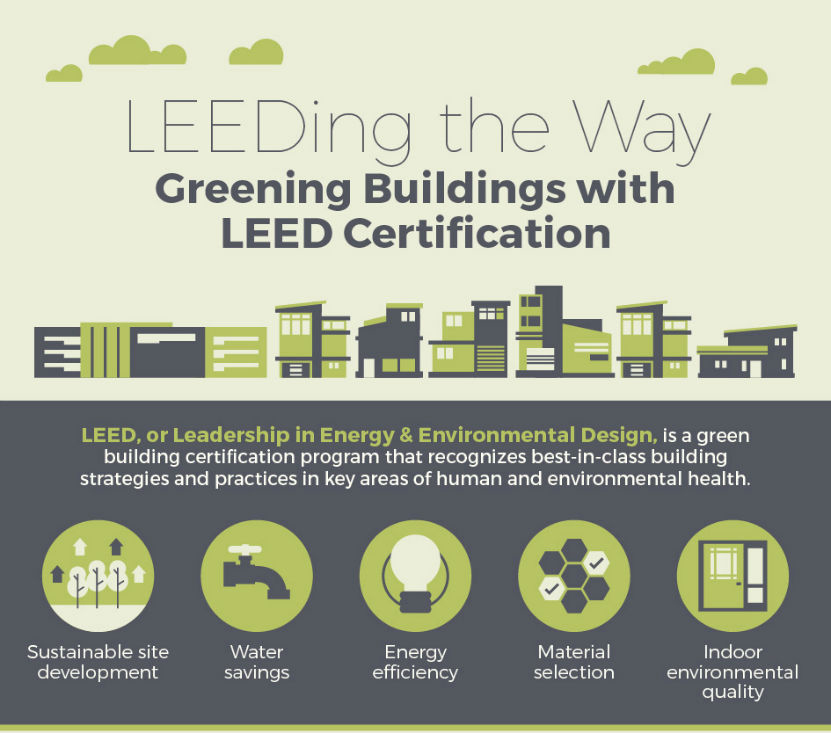
LEED (Leadership in Energy and Environmental Design) Certification
Developed by the U.S. Green Building Council (USGBC), LEED is one of the most widely recognized green building certifications globally. It offers four levels of certification: Certified, Silver, Gold, and Platinum, based on a building's compliance with its ingredients for green buildings.
-
WELL Building Certification
The WELL Building Standard is a certification program for buildings and interior spaces that focuses on occupant health and well-being. It verifies that a building or space meets a set of rigorous performance standards for air quality, light, and other factors that impact occupant health.
-
GBI's Green Globes Certification
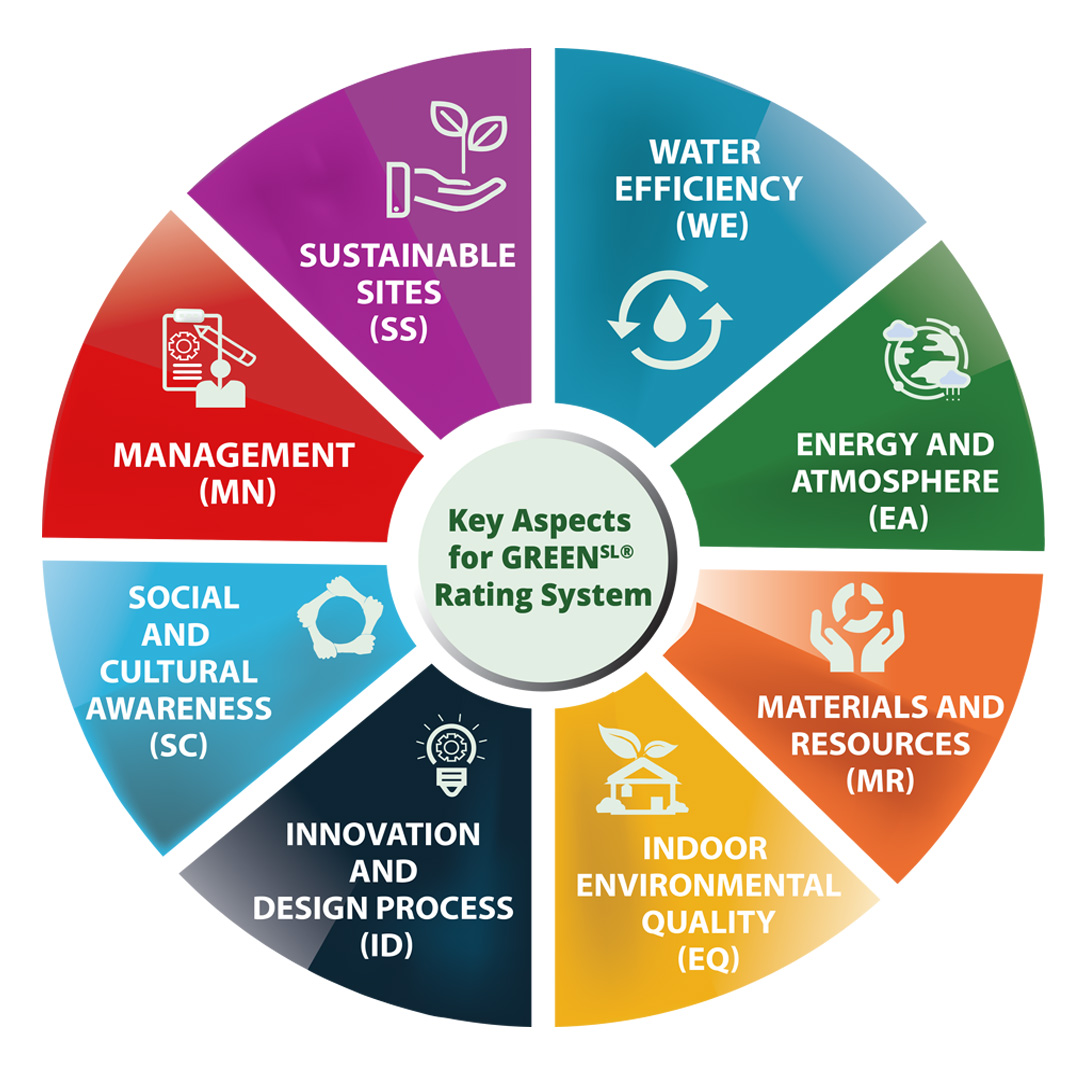
Developed by the Green Building Initiative (GBI), Green Globes is a certification program that offers a rating system for building sustainability performance. It assesses a building's energy and water efficiency, site impact, emissions reduction, material selection, and resilience.
-
CASBEE (Comprehensive Assessment System for Built Environment Efficiency) Certification
CASBEE is a building rating system developed in Japan that evaluates a building's sustainability performance based on its energy efficiency, material efficiency, indoor environment, and waste management. It offers a comprehensive assessment of a building's sustainability performance.
Benefits of Green Building Certifications
Enhanced Sustainability Performance
Green building certifications drive building owners, architects, and developers to design and construct buildings that are more energy-efficient, reduce waste, and promote occupant health.Increased Property Value
Buildings with green building certifications can command higher property prices due to their enhanced sustainability features and appeal to environmentally conscious tenants and buyers.Improved Occupant Health and Well-being
Green building certifications prioritize occupant health and well-being by emphasizing features such as natural light, ventilation, and air quality.Cost Savings
Green buildings often consume less energy and water, reducing operating costs and improving a building's net present value.Enhanced Brand Reputation
Companies and organizations that prioritize green building certifications demonstrate their commitment to sustainability and corporate social responsibility.
Conclusion
Green building certifications are a vital tool for promoting environmentally responsible construction practices, enhancing sustainability performance, and improving occupant health and well-being. As the world continues to grapple with the challenges of climate change, energy efficiency, and environmental sustainability, the importance of green building certifications will only continue to grow. By adopting green building certifications, building owners, architects, and developers can demonstrate their commitment to sustainability and contribute to a healthier, more resilient built environment for future generations.